There are no items in your cart
Add More
Add More
| Item Details | Price | ||
|---|---|---|---|

BY - Affordable AI Nagpur
Generative Artificial Intelligence (Generative AI) has rapidly become one of the most disruptive technologies of the modern era. Unlike traditional AI systems that analyze and predict, Generative AI creates entirely new content, including text, images, videos, music, software code, and business insights.
From healthcare and finance to manufacturing and education, organizations worldwide are leveraging Generative AI to improve productivity, reduce costs, and drive innovation.
As we move through 2026, Generative AI is no longer just an emerging technology—it has become a competitive advantage for businesses across industries.
A type of machine learning model that analyzes vast amounts of data to learn underlying patterns, enabling it to create brand-new, original content.

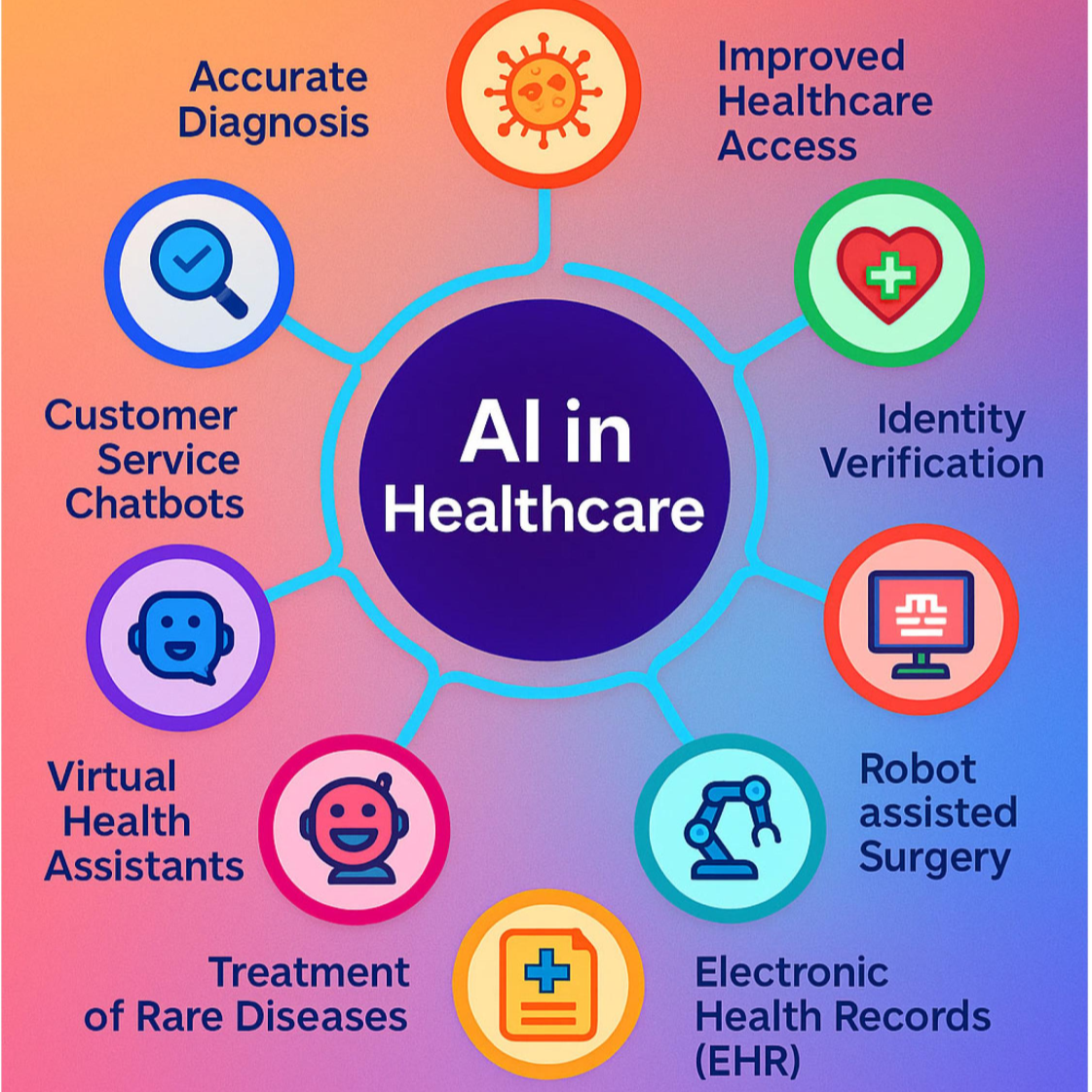
Generative AI is transforming medicine at every layer — from synthesizing patient histories and drafting clinical notes to accelerating drug discovery pipelines from decades to months. Models trained on billions of medical records are now matching or outperforming radiologists on specific imaging tasks.
"Generative AI is the most transformative technology to enter medicine since the MRI — not because it replaces doctors, but because it gives them superhuman memory and pattern recognition."
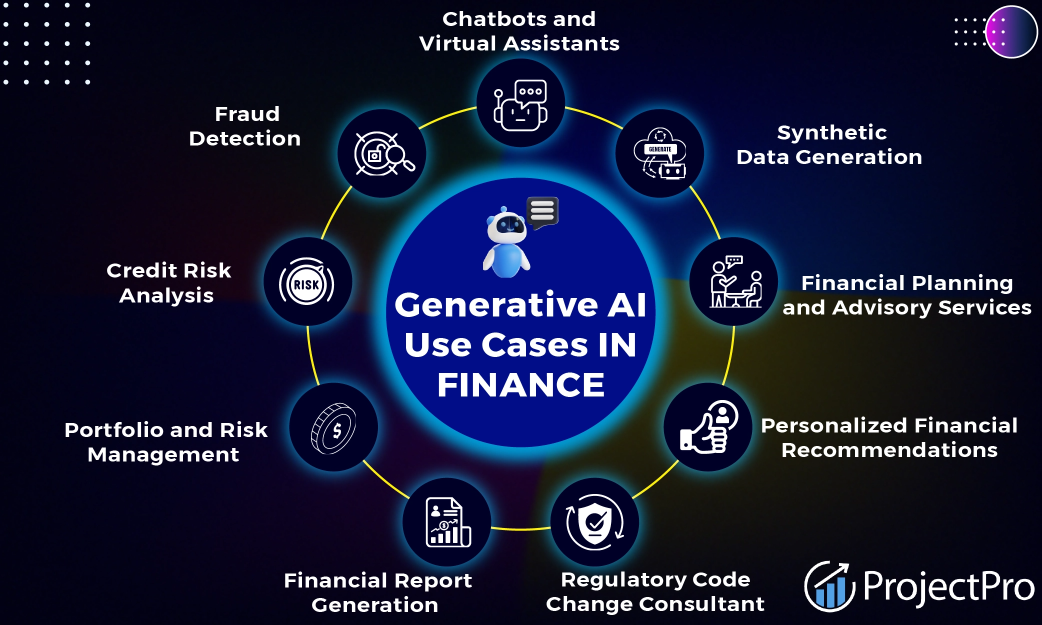

Smarter banking & fraud prevention
Generative AI synthesises market signals, writes investor reports, detects anomalous transactions in milliseconds, and powers conversational banking assistants. JP Morgan's AI models now review 12,000 contracts per year — work that once took 360,000 hours of lawyer time.
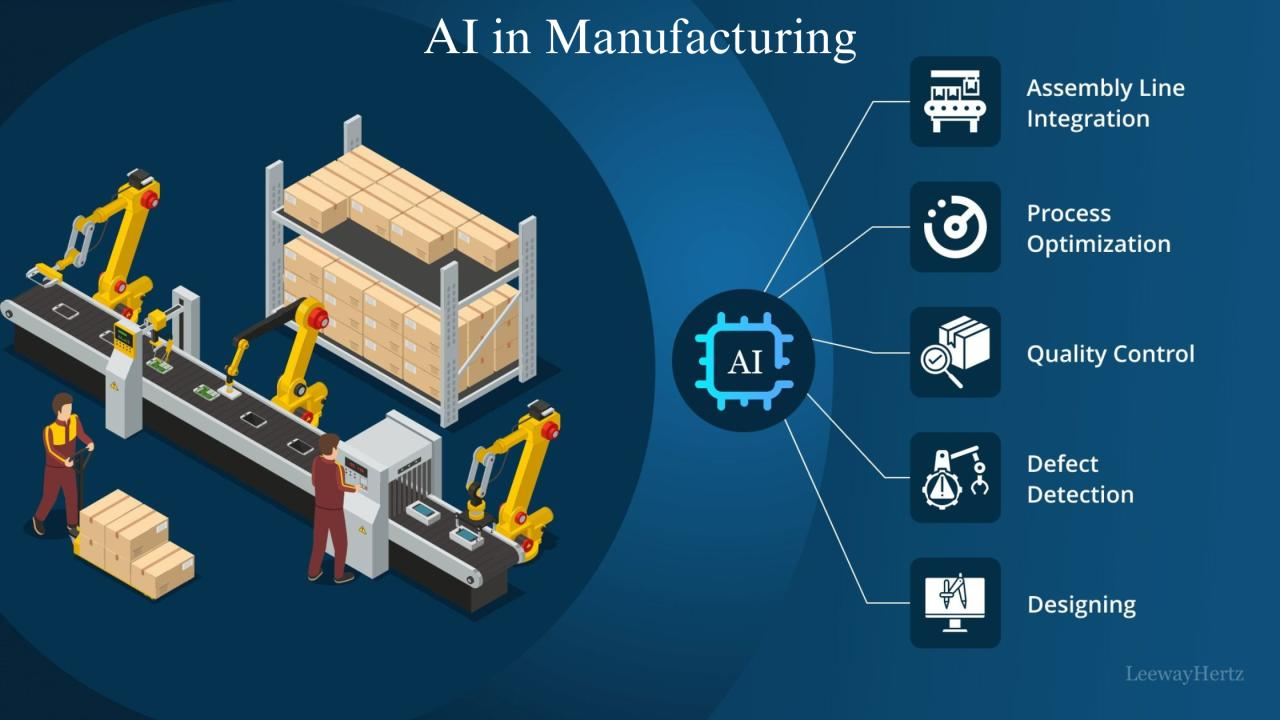
Predictive maintenance & generative design
AI systems now predict equipment failures days before they occur, reducing unplanned downtime by up to 50%. Generative design tools create optimised component geometries that no human engineer would conceive — lighter, stronger, cheaper. BMW uses AI-generated designs for 60% of its new parts.

Hyper-personalised shopping experiences
From AI-generated product descriptions and virtual try-on to demand forecasting that reduces overstock by 30%, retail is being rebuilt around individual preferences. Amazon's recommendation engine, powered by generative models, drives 35% of its total revenue.

Personalised learning at scale
AI tutors now adapt content difficulty in real time, identify learning gaps before tests, and provide feedback at 3 AM. Platforms like Khan Academy and Duolingo use LLMs to mimic one-on-one tutoring — democratising quality education for hundreds of millions who couldn't otherwise afford it.

Generative models optimise delivery routes dynamically, forecast supply disruptions months ahead, and auto-draft supplier negotiations. DHL's AI systems have reduced last-mile delivery costs by 15% while improving on-time rates. The global logistics sector is finding AI pays back 3–5× its investment within 18 months.

AI: the security arms race
Generative AI now powers both attacks and defences in cybersecurity. Defenders use LLMs to synthesise threat intelligence, generate security rules, and auto-patch vulnerabilities. Simultaneously, AI-generated phishing emails are 40% more convincing than human-written ones — raising the stakes on both sides.
How we got here: a brief history
2020
 Launch your Graphy